Open Risk Academy

Financial Competences Ontology

Financial Competences Ontology

Financial Competences Ontology

Reading Time: 2 min.

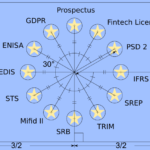
The Financial Competences Ontology

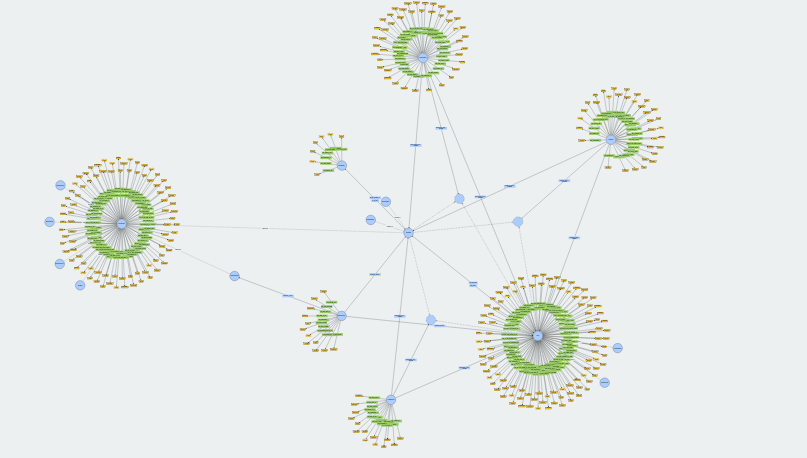
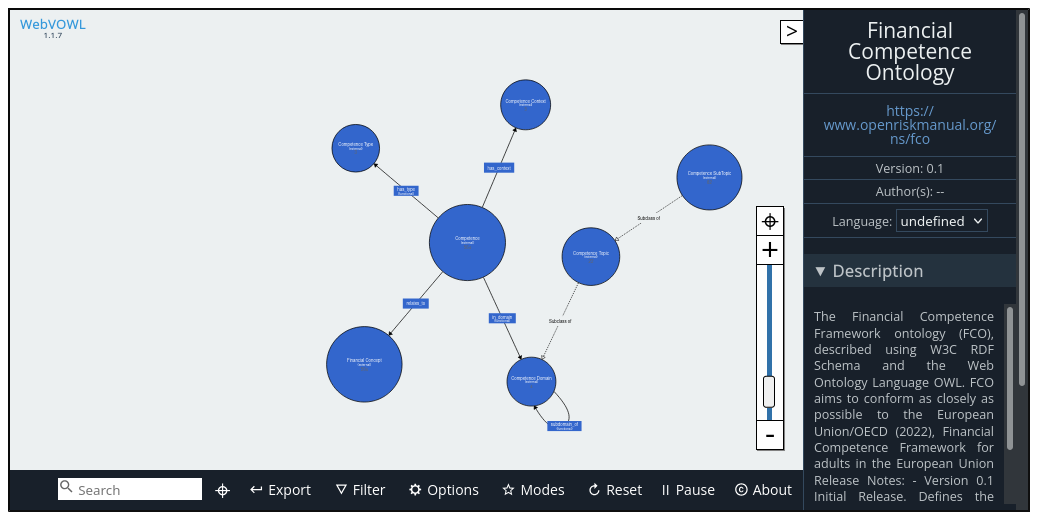
The Financial Competences Ontology (FCO) is a semantic web framework that aims to represent and categorize financial competences. FCO is described using W3C RDF Schema and the Web Ontology Language OWL. FCO aims to conform as closely as possible to the European Union/OECD (2022) Financial Competence Framework for adults.

Business Model Risk Ontology

Business Model Risk Ontology

Business Model Risk Ontology

Reading Time: 0 min.

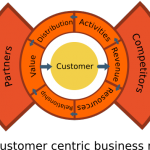
The Business Model Risk Ontology

The Business Model Risk Ontology is a framework that aims to represent and categorize knowledge about Business Models, in particular their Risk profile.

Credit Ratings Ontology

Credit Ratings Ontology

Credit Ratings Ontology

Reading Time: 0 min.

The Credit Ratings Ontology

The Credit Ratings Ontology is a framework that aims to represent and categorize knowledge about Credit Rating Agencies and related data (Credit Ratings) using semantic web information technologies.

Non-Performing Loan Ontology

Non-Performing Loan Ontology

Non-Performing Loan Ontology

Reading Time: 0 min.

The Non Performing Loan Ontology

The Non-Performing Loan Ontology is a framework that aims to represent and categorize knowledge about non-performing loans using semantic web information technologies.

Risk Function Ontology

Risk Function Ontology

Risk Function Ontology

Reading Time: 0 min.

The Risk Function Ontology

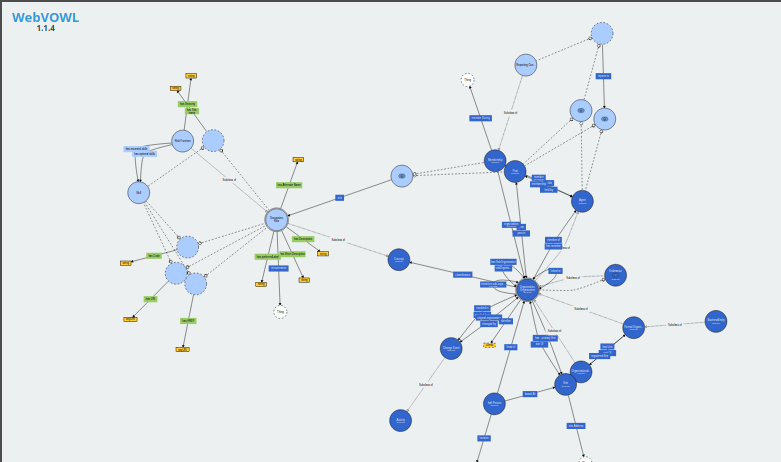
The Risk Function Ontology is a framework that aims to represent and categorize knowledge about risk management functions. Codenamed RFO, it codifies the relationship (roles and responsibilities) between the various persons involved in a risk management organization.

Taking Stock of the United Nations Open Source Principles

Taking Stock of the United Nations Open Source Principles

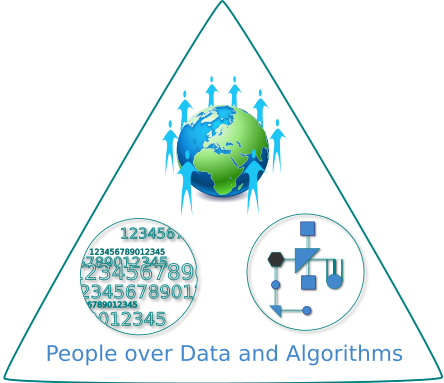
In this post we endorse the UN Open Source principles and take stock on their implications for the domains of risk management and sustainable finance. We also take a step back and discuss how open source is an essential ingredient for the PODA manifesto, namely putting people above data and algorithms.

Reading Time: 7 min.

What are the UN Open Source Principles?

The UN Open Source Principles is a set of eight high-level guiding principles that were recently adopted by the UN Chief Executive Board’s Digital Technology Network (DTN). They open a new window and provide guidelines to drive collaboration and Open Source adoption within the UN and globally. They send a strong signal of the importance of open source and how individuals and organisations need to act to benefit but also support a thriving and sustainable open source community.

Updated Open Risk Academy Course: Input-Output Models with Python

Updated Open Risk Academy Course: Input-Output Models with Python

A DeepDive Course into using Python to work with Input-Output Models

Reading Time: 3 min.

The SFI32064 course is a DeepDive with nine segments, exploring Input-Output models using Python and the Pymrio library. The following is an updated overview of it contents.

Climate Dictionary Quiz

Climate Dictionary Quiz

The Climate Dictionary Quiz is now accessible as a course at the Open Risk Academy. The Quiz is based on the UN Climate Dictionary and provides an interactive educational tool to enable deeper understanding of the essential terminology.

Reading Time: 1 min.

The Climate Dictionary is an initiative of the United Nations Development Programme (UNDP) aimed at providing people worldwide with a simplified guide to understand climate change. The Dictionary (first published Aug 2023) seeks to bridge the gap between complex scientific jargon such as present in the IPCC publications and other scientific bodies and the public.

Open Risk Academy Course: Input-Output Models with Python

Open Risk Academy Course: Input-Output Models with Python

A DeepDive Course into using Python to work with Input-Output Models

Reading Time: 2 min.

What are Input-Output Models?

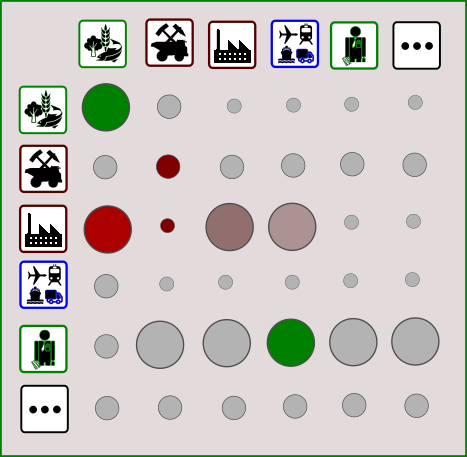
Environmentally Extended Multi-Regional Input-Output (EE-MRIO) tables describe economic relationships of economic actors (e.g. industrial sectors) operating within and between regions and their environmental repercussions.

An EE MRIO augments the more basic and historically first proposed Input-Output Models (IO) with additional datasets and/or modeling assumptions in order to provide insights into the environmental foorprint of economic activity. Presently, the emphasis on negative externalities of economic activity (e.g., climate change, biodiversity loss) turns EE MRIO models into a useful conceptual and analytic tool. Yet a good grounding on the underlying IO models is a prerequisite and this is the focus of this new course that is now available at the Open Risk Academy.

9 Ways Graphs Show Up in Data Science

9 Ways Graphs Show Up in Data Science

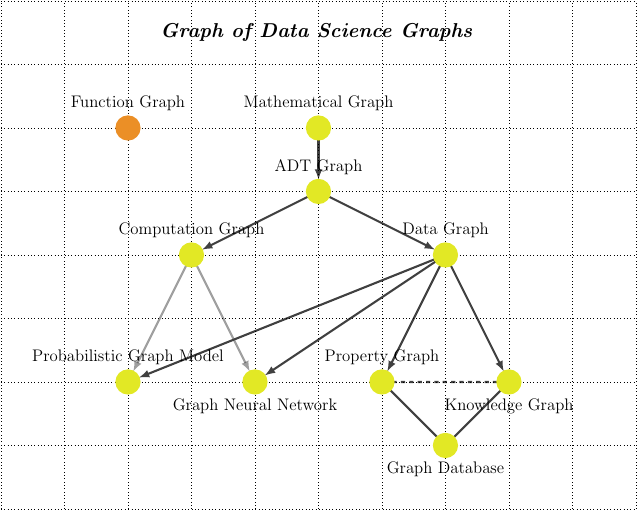
We explore a variety of distinct uses of graph structures in data science. We review various important graph types and sketch their linkages and relationships. The review provides an operational guide towards a better overall understanding of those powerful tools

Reading Time: 1 min.

Course Objective

Graphs (and the related concept of Networks) have emerged from a relative mathematical and physics niches to become mainstream models for describing and interpreting various phenomena. The objective of the course is to review various important graph types as they are increasingly explored in data science and sketch their linkages and relationships (a graph of graphs!).

An introduction to Semantic Python

An introduction to Semantic Python

A CrashCourse introduction to semantic data using Python covering a number of frameworks such as rdflib, owlready and pySHACL

Reading Time: 2 min.

This CrashCourse is an introduction to semantic data using Python.

Course Content

It covers the following topics:

  • We learn to work with RDF graphs using rdflib
  • We explore the owlready package and OWL ontologies
  • We look into json-ld serialization of RDF/OWL data
  • We try data validation using pySHACL
  • We use throughout a realistic data set based on the Credit Ratings Ontology

Semantic Python

Back to School With the Open Risk Academy

Back to School With the Open Risk Academy

In the Back-to-School for 2020 we have more ways to access the Academy, new functionalities and more courses. In the rest of this post you will find a summary of the changes with pointers to further information where required

Reading Time: 4 min.

Risk Management will not be the same going forward: too much is at stake

The summer is over in the Northern Hemisphere - and what an unusual summer has it been! Worldwide the implications and challenges of adjusting to a Covid-19 pandemic are still a major issue, affecting individuals, companies and governments.

New Open Risk Academy Course: Introduction to GeoJSON

New Open Risk Academy Course: Introduction to GeoJSON

Reading Time: 2 min.

Course Content

This course is a CrashProgram (short course) introducing the GeoJSON specification for the encoding of geospatial features. The course is at an introductory technical level. It requires some familiarity with data specifications such as JSON and a very basic knowledge of Python

New Open Risk Academy Course: Simulation of Credit Contagion

New Open Risk Academy Course: Simulation of Credit Contagion

Reading Time: 2 min.

Course Content

This course is an introduction to the concept of credit contagion. It covers the following topics:

  • Contagion Risk Overview and Definition
  • Various Contagion Types and Modelling Challenges
  • The Simple Contagion Model by Davis and Lo
  • Supply Chains Contagion
  • Sovereign Contagion
An overview of EU Financial Regulation initiatives

An overview of EU Financial Regulation initiatives

Reading Time: 1 min.

An overview of EU Financial Regulation initiatives

In the European Union there are several ongoing large scale legislative and regulatory projects that transform the context within which individual, firms and the public sector interact economically. While financial and regulatory reform is an ongoing process in all jurisdictions globally, the size and supra-national nature of the European Union makes those projects particularly interesting.

Data Quality and Exploratory Data Analysis using Python

Data Quality and Exploratory Data Analysis using Python

Reading Time: 0 min.

Data Quality and Exploratory Data Analysis using Python

In two new Open Risk Academy courses we figure step by step how to use python to work to review risk data from a data quality perspective and how to perform exploratory data analysis with pandas, seaborn and statsmodels:

Loan Level Templates Using Python

Loan Level Templates Using Python

Loan Level Templates Using Python

Reading Time: 0 min.

Loan Level Templates Using Python

In this Open Risk Academy course we figure step by step how to use python to work with Loan Level Templates, using the ECB SME template as an example.

  • Overview of the loan level template
  • Manipulating spreadsheets with Python
  • The Python Dictionary
  • Organization of Portfolio Data
  • Generating Test Portfolios

Get an Open Risk Academy account and get started with the course here

Business Model Risk

Business Model Risk

Reading Time: 5 min.

Business Model Risk - The Forgotten Risk Type

Sustainable business models that demonstrate adequate profitability over long horizons are key to a healthy market economy. This applies to firms and organizations of any size and in any sector. But how do we determine what is sustainable and how can we tell a risky business structure from a stable one?

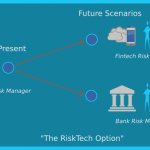
Risk Management Skills for the Fintech Era

Risk Management Skills for the Fintech Era

Reading Time: 6 min.

Financial services jobs continue being decimated. A recent (as of the initial post date) FT article was a sobering summary of the continuing transformation of the financial sector: 2015 alone has seen more than 10% reduction of the total workforce across large EU/US banks: